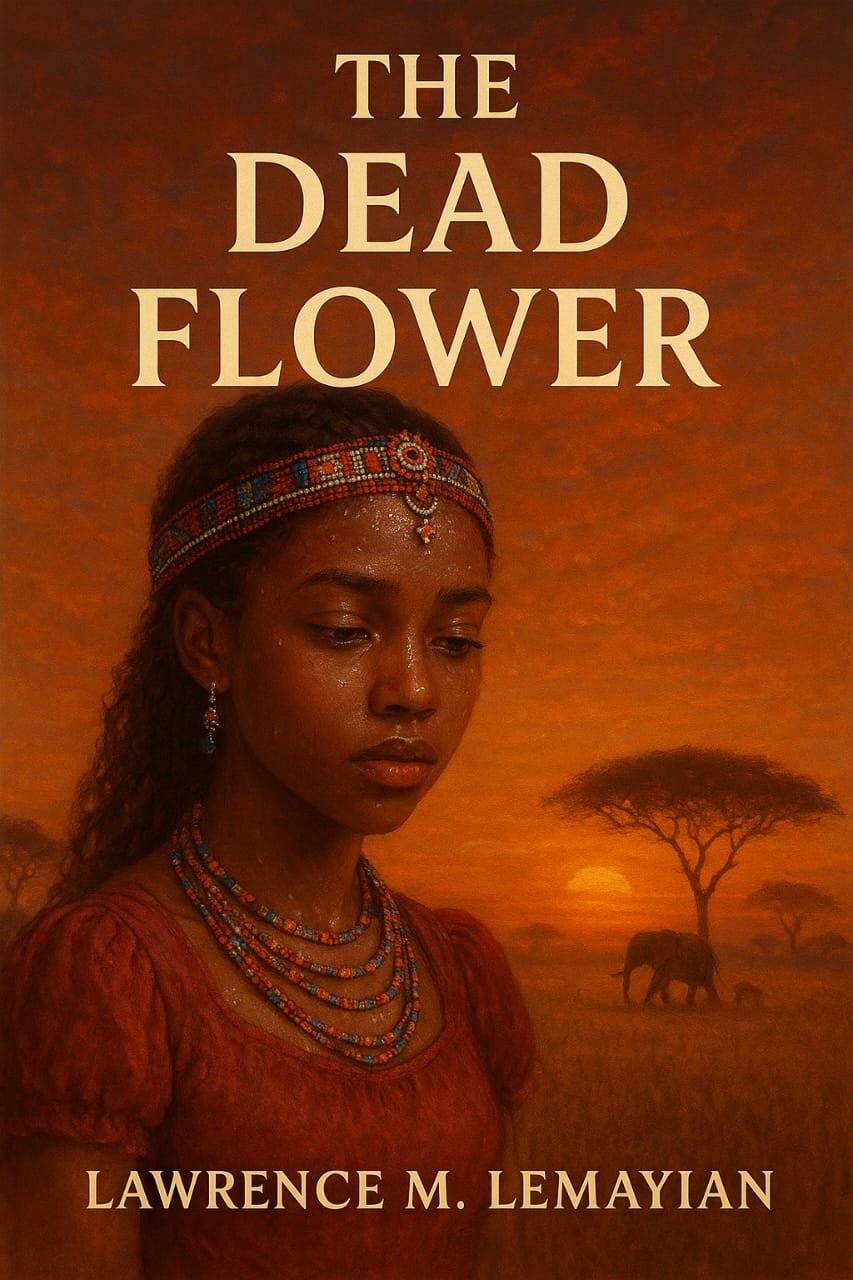
African literature has always been more than stories on paper; it is memory, resistance, healing, and identity woven into words. The Dead Flower is my humble contribution to this living tradition — a story rooted in African soil, culture, and silence, yet speaking boldly about issues many families still whisper about: rejection, illness, patriarchy, mental health, and the quiet strength of young girls. Through Hope’s journey, the novel reflects how African stories carry pain without shame and hope without apology, reminding us that our narratives matter and deserve space on global shelves.
In a time when entertainment and media are rapidly evolving, African literature must also move beyond the page and into visual storytelling, conversations, and shared experiences. This project embraces that shift — blending literature with visual aesthetics, culture, and modern presentation to show that African stories can live in books, trailers, digital platforms, and communal celebrations. Our stories are cinematic by nature; they carry rhythm, imagery, and emotion that belong in today’s creative spaces without losing their authenticity.
More importantly, this project is about human connection. It is about the young reader who sees themselves for the first time, the elder who recognizes a forgotten truth, and the creative who believes African stories deserve to be told boldly and beautifully. African literature is not behind — it is rising, adapting, and speaking in its own voice. And The Dead Flower is one of many voices saying: our stories are alive, powerful, and here to stay.