
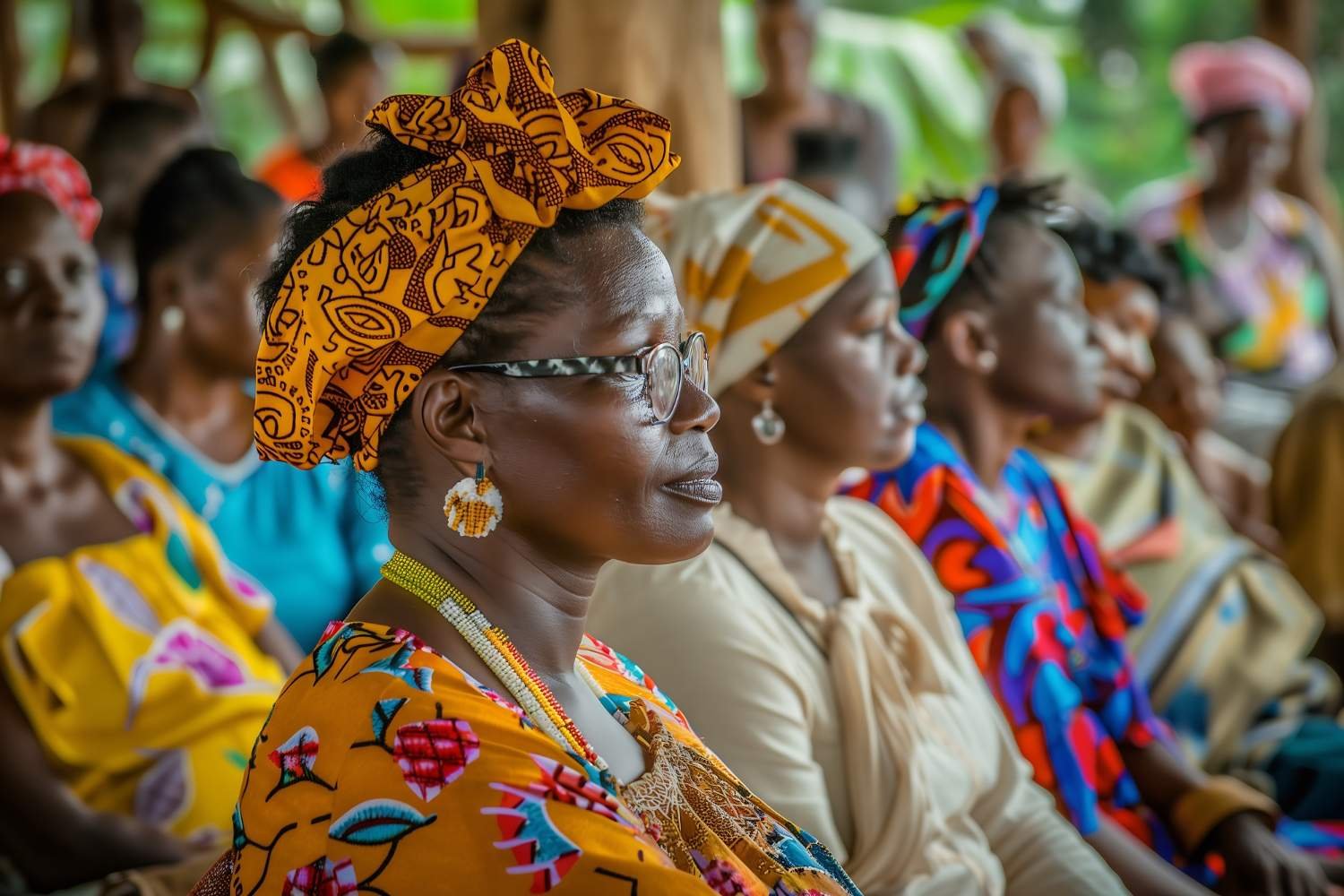
In the superhero series Black Lightning (2018), Jefferson Pierce has a tough talk with his daughter. Though she is Black, she’s mocked for being “too white” by her peers. Confused, she asks how she can be both. Jefferson tells her, “No one is an expert on what it is to be Black because Black is everything under the sun.”
That line stuck with me. It reminded me how our identities have been reshaped, retold, and restricted over centuries. We carry paradoxes—haunted by histories of being owned, yet still striving not to lose ourselves.
Racism as a Tool of Control
Racism isn’t new. It has been fought over in wars, legislated in parliaments, and reinforced through systems that pretend to offer justice. It’s not just personal prejudice—it’s a tool, sharpened over centuries, designed to keep some people on top and others at the bottom.
Take the story of Ota Benga. In 1904, businessman Samuel Phillips Verner kidnapped members of the Mbuti people of Congo to display them in America. Ota Benga was placed in a cage alongside animals at the Bronx Zoo in New York. Influential figures like Madison Grant supported it, calling it “science.” To them, Black people weren’t fully human, just evidence for their twisted theories of white superiority. Darwin’s ideas of evolution were even warped to justify this “biological racism.”
Ota Benga’s story is just one thread in the larger tapestry of oppression. From the first enslaved African in colonial Virginia in 1654 to royal figures like Abdulrahman Ibrahim Ibn Sori reduced to servitude, the system of slavery stripped people of dignity and culture while building immense wealth for others.
Slavery: America’s First Big Business
The myth is that slavery was “inefficient” and confined to the South. The truth? It powered America’s economy. Cotton, rice, and other crops became global commodities because of enslaved labor. By 1863, enslaved people were collectively valued at about $3 billion. Historian Edward E. Baptist called slavery America’s first big business.
That’s where the generational wealth gap began. White families accumulated assets while Black families, even after emancipation, inherited poverty. The gap persists today. The median white household in the U.S. holds about $171,000 in assets, compared to just $17,600 for Black households.
Racism in the Modern Era
Fast-forward to today. Studies still show that Black Americans earn less, face higher unemployment, and encounter discrimination in hiring. These are the descendants of people who gave up 246 years of labor to build America, yet their communities still shoulder the costs of that history.
The rise of Donald Trump’s presidency highlighted how alive racism still is. His slogan, “Make America Great Again,” resonated with white nationalist groups. Hate groups grew by more than 50% between 2017 and 2019, according to the Southern Poverty Law Center. Capitalism and racism once again walked hand in hand, deepening inequalities.
And while liberals tried to fight back, some responses birthed new problems—anger turning into hate, or movements sliding into political profiteering.
When the World Said “Enough”
The murder of George Floyd sparked global protests. Millions marched, demanding change. For a moment, it felt like a revolution. But without deep, systemic reform, protest alone can’t dismantle centuries-old structures. Racism adapts. It hides in policies, institutions, and even algorithms.
A Path Forward
I believe the fight against racism must target root causes—starting with economic inequality. Closing the wealth gap through reparations, fair access to education, and systemic reform isn’t charity; it’s justice. Reparations won’t erase history, but they’d show a willingness to own up to it.
At the same time, we must guard against replacing one prejudice with another. Anti-racism must never morph into anti-white sentiment or become just another money-making machine.
Final Thoughts
Racism is a story humanity wrote—and one we can rewrite. It has destroyed families, stolen lives, and divided societies. But because it’s man-made, it can also be dismantled.
Jefferson Pierce was right: Black is everything under the sun. That truth is both the beauty of our identity and the hope for our future. My prayer as a young Black woman in America is simple: to wake up one day in a country where equality isn’t a dream, but a reality.